


Do I Need a Deep Cleaning Katy TX? Signs, Process, and Recovery
Invisalign for Adults Invisalign for Adults Invisalign for Adults Invisalign for Adults Invisalign for Adults Invisalign for Adults Invisalign for Adults Invisalign for Adults Invisalign for Adults Invisalign for Adults Invisalign for Adults Invisalign for Adults Invisalign for Adults Invisalign for Adults Invisalign for Adults
Do I need a deep cleaning Katy TX patients often ask when their gums bleed, feel sore, or look swollen? It is a fair question, and the honest answer is that only a dental exam can tell you. Still, knowing the signs and what the treatment involves can make the decision feel much less stressful.
A regular cleaning removes plaque and tartar from the surfaces of your teeth and just under the gumline. A deep cleaning, also called scaling and root planing, goes further. It treats the bacteria and buildup below the gumline, where gum disease can take hold. Not everyone needs one, and your dentist decides based on the health of your gums.
In this guide, we explain the signs that may point to a deep cleaning, how your dentist decides, what happens during the visit, and what recovery and aftercare look like, including what to eat afterward. This guide is general information and not a diagnosis.
Do I Need a Deep Cleaning Katy TX? The Short Answer
You may need a deep cleaning if a dental exam shows signs of gum disease below the gumline. Many people with healthy gums do not need one. For them, regular cleanings on the schedule their dentist recommends are typically enough.
The key is the small space between your gums and your teeth. Healthy gums fit snugly around each tooth. When gum disease develops, gaps called pockets can form and collect bacteria. According to the American Dental Association’s MouthHealthy site , scaling and root planing may be needed when these pockets are too deep for a regular cleaning to reach.
You cannot see pockets in the mirror. That is why symptoms are only clues, and an exam is how you get a real answer. If you are unsure, schedule an exam and let the dentist take a look.
Regular Cleaning vs. Deep Cleaning: Key Differences
Both treatments remove buildup, but they work in different places. Here is a quick comparison. You can read more about a regular dental cleaning in Katy on our service page.
| Regular cleaning | Deep cleaning | |
|---|---|---|
| Where it works | Tooth surfaces and just under the gumline | Below the gumline, down to the tooth roots |
| Who it is typically for | People with healthy gums or mild buildup | People with signs of gum disease and pockets |
| Number of visits | Usually one | May take more than one visit |
| Comfort | Typically no numbing needed | May use a local anesthetic |
The difference matters because a regular cleaning cannot reach deep pockets. If gum disease has set in below the gumline, repeating the same cleaning may not solve the problem. Starting with the right treatment can help protect the gums and the bone that hold your teeth in place.
For the full picture on how gum problems are treated, see our page on gum disease treatment in Katy.
Do I Need a Deep Cleaning Katy TX? Signs to Watch For
Gum disease is often quiet. The American Academy of Periodontology notes that symptoms may not appear until the advanced stages. Still, some changes are worth a visit.
What Healthy Gums Look Like
Healthy gums are typically firm and pale pink. They fit snugly around each tooth and do not bleed during normal brushing and flossing. Changes from that picture are worth noticing.
Common Signs You Need a Deep Cleaning
These signs you need a deep cleaning, or at least an exam, are the ones dentists hear about most:
- Bleeding gums when you brush, floss, or eat hard foods.
- Red, swollen, or tender gums.
- Bad breath that does not go away after brushing.
- Gums that pull away from your teeth, making teeth look longer.
- Teeth that feel loose or sensitive.
- A long gap since your last cleaning, such as a year or more.
Any of these can have other causes, and having one does not mean you need a deep cleaning. Only your dentist can tell you what is behind them.
How Your Dentist Decides: The Exam
Your dentist makes this call after looking at your mouth, not from a guess. A typical exam may include a few steps.A Look at Your Gums
The dentist checks for redness, swelling, bleeding, and buildup along the gumline.Measuring the Pockets
The dentist may gently measure the space between your gums and teeth with a small tool. Deeper pockets can point to gum disease below the gumline.X-Rays and Health History
X-rays may help show the bone that supports your teeth. Your dentist may also ask about your health history and your brushing and flossing habits.After the exam, your dentist can explain whether a regular cleaning, a deep cleaning, or another type of care fits your needs. You can ask questions at any point.What Happens During a Deep Cleaning
A deep cleaning is a non-surgical treatment, which means it does not involve cutting into the gums. It has two main parts. Both aim to remove the bacteria that irritate your gums and help your gums heal.Scaling
Scaling removes plaque and tartar from above and below the gumline, reaching down into the pockets around each tooth.Root Planing
Root planing smooths the surfaces of the tooth roots. A smoother root gives bacteria less to cling to and may help your gums reattach to your teeth.Comfort and Number of Visits
The ADA notes that a deep cleaning may require a local anesthetic and may take more than one visit. Ask your dental team about comfort options before you start. If pain is your main worry, our guide on whether teeth cleaning hurts explains what you may feel.Deep Cleaning Recovery: What to Expect
Most people go back to their normal routine soon after. Still, your gums need time to settle. The ADA says you may have pain for a day or two and tooth sensitivity for up to a week. Your gums may also look swollen, feel tender, or bleed a little.Your dentist may recommend a mouth rinse or medication to support healing. Follow those directions closely.Plan on a follow-up visit. Your dentist typically checks how your gums are healing and measures your pockets again. If they are healing well, that is a good sign. If they have not improved, you may need more treatment.Call your dentist if pain is severe, keeps getting worse, or if you notice swelling or bleeding that does not ease up.Deep Cleaning Aftercare and What to Eat Afterward
Good habits in the first days can make recovery smoother. Your dentist’s instructions always come first.Deep Cleaning Aftercare Tips
- Brush gently with a soft toothbrush, and clean between your teeth daily.
- Avoid tobacco, which can slow healing.
- Take any rinse or medication exactly as directed.
- Keep every follow-up appointment.
What to Eat After a Deep Cleaning
Soft, lukewarm foods are usually the easiest on tender gums. Good choices include yogurt, scrambled eggs, oatmeal, mashed potatoes, and lukewarm soup. If your mouth is numb, wait until the numbness wears off before you eat, so you do not bite your cheek or tongue.For the first few days, you may want to avoid:- Very hot foods and drinks
- Spicy or acidic foods that can sting
- Crunchy or sharp foods, such as chips or nuts
Keeping Your Gums Healthy Long Term
Many patients need ongoing care after a deep cleaning. The American Academy of Periodontology says most patients will require ongoing maintenance to sustain gum health. Regular visits and good home care make that easier.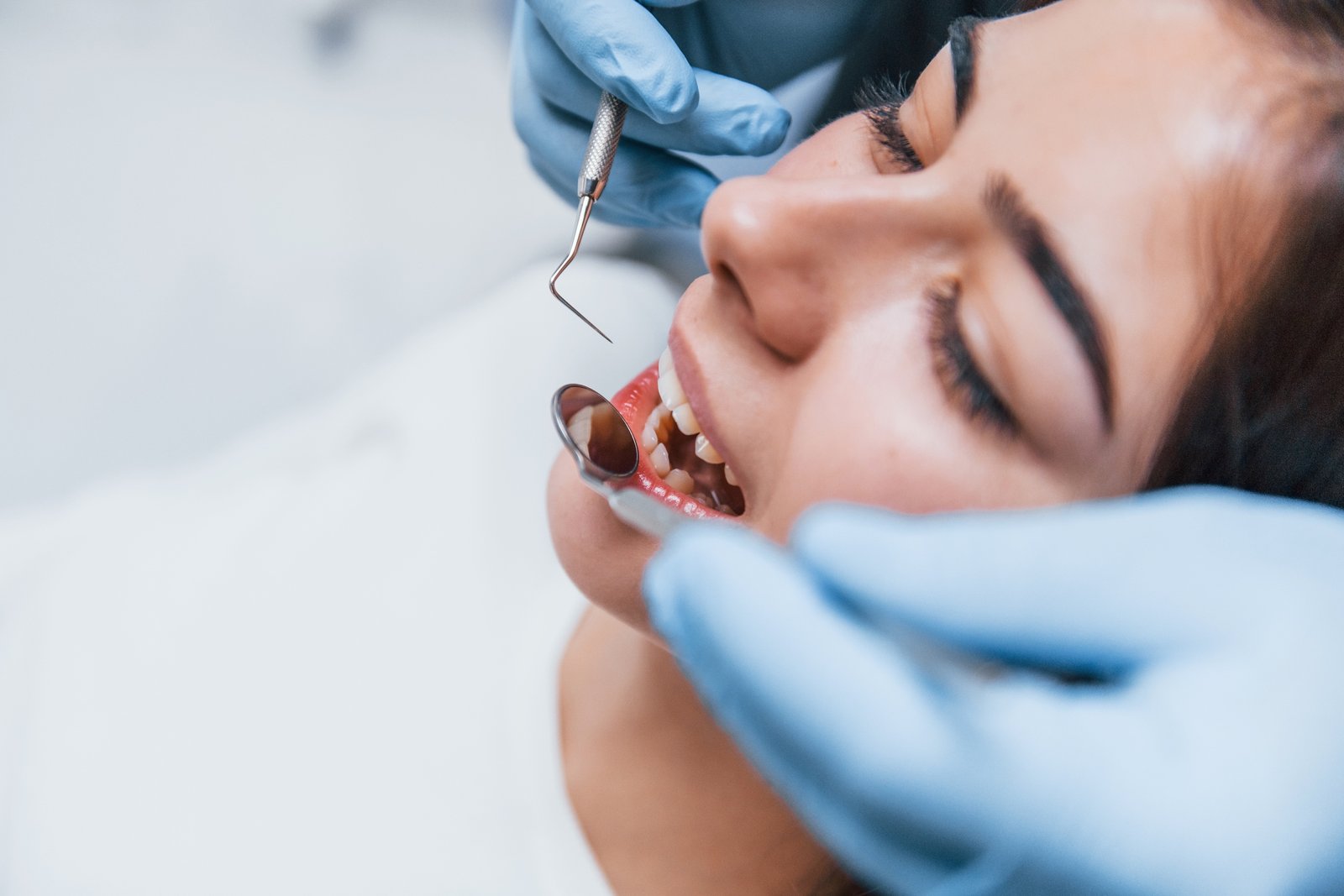
Maison Dentists
2115 N Mason Rd, Suite 110, Katy, TX 77449
Phone: +1 (281) 676-4123
Email: info@maisondentistskaty.com
No, you cannot be sure on your own. Bleeding, swelling, and bad breath can be clues, but they have more than one possible cause. Gum pockets are hidden below the gumline, so a dentist needs to measure them during an exam. If you notice any warning signs, schedule a visit instead of waiting. Catching gum problems early typically gives you more options.
Not always. Bleeding gums are one possible sign of gum disease, but they can also come from irritation or rough brushing. The American Academy of Periodontology lists bleeding while brushing or flossing as a warning sign worth checking. If it happens often, ask your dentist for an exam. They can tell you whether a regular cleaning is enough or whether a deep cleaning may help.
You might. The ADA notes that scaling and root planing may take more than one visit. Your dentist may split the work by area of the mouth, which can also help with comfort. How many visits you need depends on your gums and your treatment plan, so your dentist can give you a clearer idea after your exam.
Many people feel better within a few days. The ADA says you may have pain for a day or two and tooth sensitivity for up to a week. Gums can also feel tender or bleed a little at first. Everyone heals differently, so follow your dentist’s instructions and call the office if your symptoms get worse instead of better.
Yes, but choose gentle foods. Soft, lukewarm options like yogurt, eggs, oatmeal, and mashed potatoes are usually comfortable. Avoid very hot, spicy, or crunchy foods for the first few days. If your mouth is numb, wait until the numbness fades before you eat. Your dentist may give you specific instructions, and those should guide your choices.
Usually, yes. Your dentist typically schedules a return visit to check how your gums are healing and to measure your pockets again. The American Academy of Periodontology also notes that most patients need ongoing maintenance to keep their gums healthy. Your dentist can explain how often you should come in based on your needs.
Schedule an exam as soon as you can. Gum disease can progress quietly, so it helps to have your gums checked early. Tell the team about any bleeding, swelling, bad breath, or sensitivity you have noticed. You can call +1 (281) 676-4123 or book online. After the exam, your dentist can explain your options.
Ready to Find Out? Schedule Your Exam in Katy, TX
So, do I need a deep cleaning Katy TX residents ask? Only an exam can say for sure, and the sooner you find out, the more options you may have. If you have noticed any warning signs, call us or request a time online. You can also learn more about our practice or contact our team with questions.
Maison Dentists
2115 N Mason Rd, Suite 110, Katy, TX 77449
Phone: +1 (281) 676-4123
Email: info@maisondentistskaty.com
[Call Now](tel:+12816764123) | Book Appointment | Get Directions