


Does Teeth Cleaning Hurt Katy TX? What to Expect at Your Visit
Invisalign for Adults Invisalign for Adults Invisalign for Adults Invisalign for Adults Invisalign for Adults Invisalign for Adults Invisalign for Adults Invisalign for Adults Invisalign for Adults Invisalign for Adults Invisalign for Adults Invisalign for Adults Invisalign for Adults Invisalign for Adults Invisalign for Adults
Does Teeth Cleaning Hurt Katy TX Patients? The Short Answer
For most people, a regular cleaning is not painful. You may feel pressure as the hygienist works, a scraping feeling on the tooth surface, and some coolness from water or air. These feelings are usually mild and brief.Some people feel more. Tender gums, sensitive teeth, or a long gap since your last visit can make a cleaning more uncomfortable. That does not mean something is wrong with you. It means your mouth may need a little extra care.Here is a simple way to think about what you feel:- Mild pressure or scraping: Common and usually normal.
- Brief sensitivity to cold or air: Common, especially if your teeth are sensitive.
- Sharp or lingering pain: Not something to push through. Tell your hygienist right away so they can adjust.
What Happens During a Dental Cleaning: Step by Step
Knowing each step can make the visit feel less scary. Here is what typically happens, although your visit may differ based on your needs. You can learn more about dental cleaning services in Katy on our service page.Step 1: A Close Look at Your Teeth and Gums
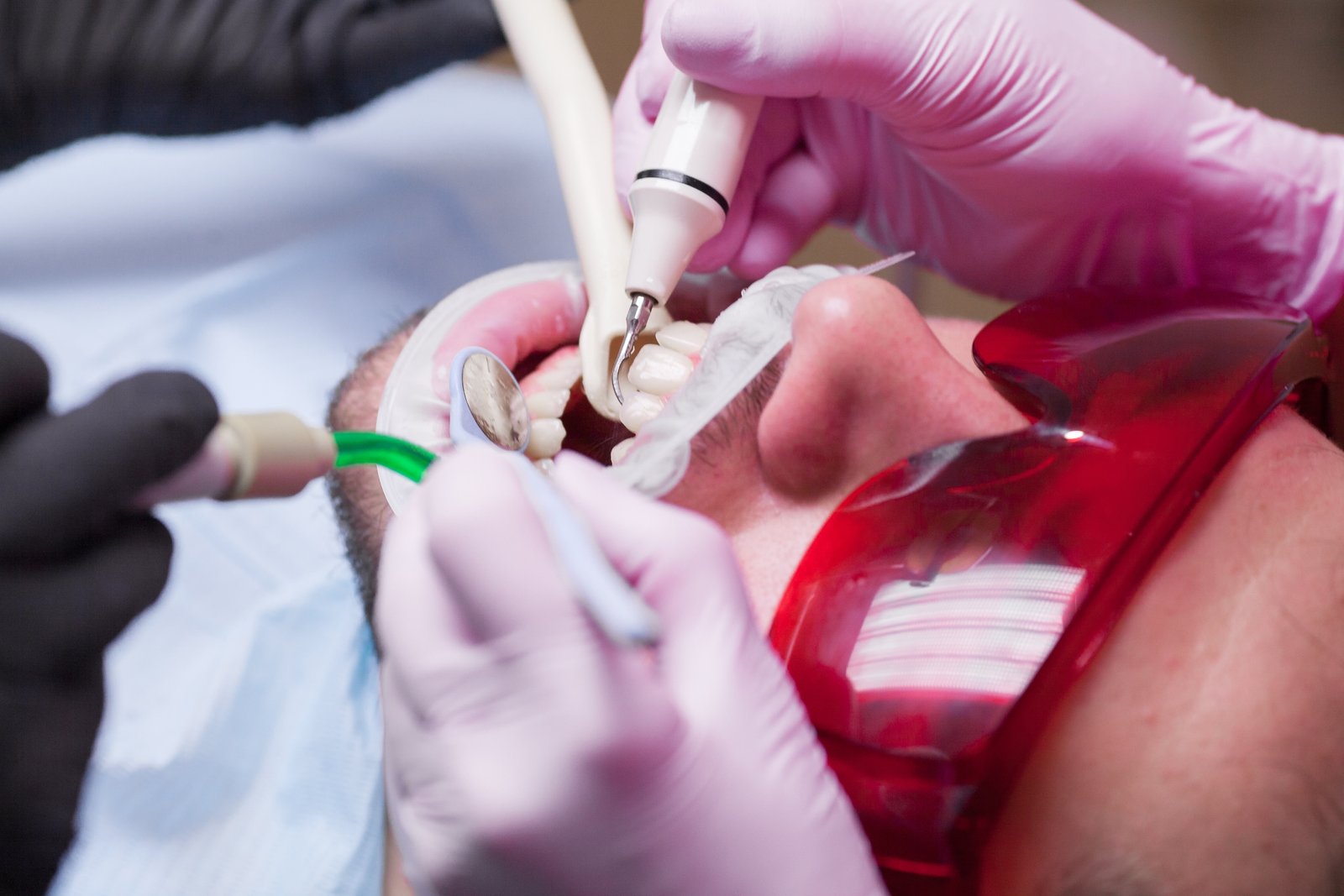
The hygienist or dentist checks your teeth and gums for buildup, swelling, and anything that needs attention. They may use a small mirror to see every surface.Step 2: Removing Plaque and Tartar
Plaque is a soft, sticky film of bacteria that forms on your teeth. If it stays there, it can harden into tartar, also called calculus. The CDC explains that brushing alone cannot remove tartar, so professional treatment is needed.This is the step where you may feel pressure or hear scraping. The hygienist uses small tools to gently clean the tooth surfaces, including areas near the gumline.Step 3: Polishing and Flossing
Next, your teeth are polished to smooth the surface and remove light stains. The hygienist then flosses between your teeth to clear away any leftover debris.Step 4: Exam and Home Care Tips
The dentist may examine your teeth and gums, and your team can share tips for brushing and flossing at home. Depending on your needs, they may also recommend X-rays. Ask any questions you have. This is also a good time to mention any sensitivity or pain you noticed during the visit.Why Teeth Cleaning May Feel Uncomfortable
Discomfort during a cleaning usually has a reason. Here are some of the most common ones.Built-Up Plaque and Tartar
The more buildup there is, the more time and scraping it takes to remove. Tartar can sit near the gumline, where the tissue is more tender.Irritated or Swollen Gums
Gums that are red, swollen, or sore can feel tender when touched. Irritated gums can also be an early sign of gum disease, so it is worth mentioning to your dentist.Sensitive Teeth or Exposed Roots
When enamel wears thin or gums pull back, parts of the tooth can react to cold, air, and touch. A cleaning can bring that sensitivity to the surface for a short time.A Long Gap Between Visits
If it has been a year or more since your last cleaning, there may be more buildup to remove. Regular visits typically make each cleaning easier and more comfortable.Cavities or Worn Areas
A tooth with a cavity or a worn spot may react when it is touched. Your dentist can check these areas and explain your options.Bleeding Gums After Cleaning: What It May Mean
A little bleeding during or after a cleaning is common, especially if your gums are irritated. When plaque stays along the gumline, gums can become red, swollen, and more likely to bleed.
The American Academy of Periodontology lists bleeding while brushing or flossing as a possible warning sign of gum disease. That does not mean you have it, but it is a good reason to ask your dentist to take a look.
Here is what you can do:
- Keep up gentle brushing and flossing unless your dentist tells you otherwise.
- Tell your hygienist if your gums bleed often, so they can check the area.
- Watch for other signs, such as swollen gums, bad breath that does not go away, or gums that pull away from your teeth.
Bleeding does not always point to a serious problem, and only a dentist can tell you what is causing it. If you notice bleeding often, book an appointment for an exam.
Does Teeth Cleaning Hurt Katy TX Patients With Sensitive Teeth?
It can feel more intense if your teeth are sensitive, but it does not have to be a bad experience. Sensitive teeth may react to cold air, water, and scraping. The best step is to tell your hygienist before the cleaning begins.
Teeth Cleaning for Sensitive Teeth: Ways to Stay Comfortable
With a heads-up, your hygienist can adjust their approach. They may work more slowly, use lighter pressure, or take breaks as needed. Here are a few ways to help your visit go smoothly:
- Tell the team about your sensitivity at the start of the visit.
- Point out which teeth or areas bother you most.
- Ask whether a sensitivity toothpaste may help between visits.
- Ask for short breaks whenever you need them.
If tooth sensitivity also affects your smile goals, read our guide to teeth whitening for sensitive teeth in Katy.
Dental Anxiety and Cleaning Visits: How to Feel More at Ease
Many people avoid the dentist because they fear pain. If that sounds like you, you are in good company. A simple plan can make your next cleaning feel much calmer.
Simple Dental Anxiety Cleaning Tips
- Share your worries when you book. Telling the team you feel nervous helps them plan ahead.
- Agree on a stop signal. A raised hand lets you pause without having to talk.
- Ask for a play-by-play. Some people feel calmer when the hygienist explains each step first.
- Slow your breathing. Breathe in through your nose, then out through your mouth.
- Ask about music or headphones. Distraction can help some patients relax.
Ask About Sedation Options
Maison Dentists provides nitrous oxide sedation (laughing gas). Whether it is a good fit for a specific visit is a decision you make with your dentist, so ask our team about it when you call.
Before and After Your Cleaning: Tips for a More Comfortable Visit
A little preparation can make a big difference. These simple habits help before and after your appointment.
Before Your Visit
- Brush and floss gently. The American Dental Association’s MouthHealthy site advises a gentle, rubbing motion and says to never snap the floss into your gums.
- Write down your questions. Note any sensitivity, bleeding, or sore spots you want to mention.
- Do not skip a visit because you are nervous. Regular cleanings typically make each visit easier and more comfortable.
- Arrive a few minutes early. A calm start helps you settle in.
After Your Visit
Mild sensitivity or tender gums for a day or so can be normal. These tips may help:
- Choose lukewarm foods and drinks if your teeth feel sensitive.
- Brush gently with a soft toothbrush.
- Follow any instructions your hygienist gives you.
Contact your dentist if pain is severe, keeps getting worse, or does not go away after a few days. You can also contact our team with questions about your visit.
So, does teeth cleaning hurt Katy TX patients? Typically only a little, and your hygienist can adjust to keep you comfortable. If you have been putting off a visit, today is a good day to schedule one. Call us, request a time online, or learn more about our practice.
Maison Dentists
2115 N Mason Rd, Suite 110, Katy, TX 77449
Phone: +1 (281) 676-4123
Email: info@maisondentistskaty.com
Mild discomfort can be normal, but sharp pain is not something you should have to push through. Many people feel pressure, scraping, or brief sensitivity during a cleaning. If something hurts, tell your hygienist right away. They can slow down, use a gentler technique, or take a break. If you often feel pain during cleanings, mention it to your dentist so they can check for causes such as irritated gums or sensitive areas.
Gums often bleed during a cleaning when they are irritated by plaque or tartar. Irritated gums are more fragile and bleed more easily when touched. Occasional light bleeding can happen, but frequent bleeding may be a sign of gum disease and deserves a dentist’s evaluation. Gentle daily brushing and flossing, plus regular professional cleanings, can help keep gums healthier. Your dentist can tell you what is causing the bleeding in your case.
A deep cleaning can feel more intense than a regular cleaning because it reaches below the gumline. It is usually recommended when there are signs of gum disease, and your dental team will talk with you about comfort options before starting. Some soreness afterward is common for a short time. Your dentist decides which type of cleaning fits your mouth, so a proper exam always comes first.
Most people feel mild pressure or tenderness for a few days after starting a new set of aligners. This usually fades quickly. If you have strong or lasting pain, contact our office.
Yes, you can ask for a break at any time. A short pause often helps if you feel nervous, sensitive, or uncomfortable. Many people agree on a hand signal with their hygienist before the cleaning starts, so they can stop the work without having to talk. Dental teams generally prefer to know how you feel. Speaking up helps them adjust their technique and keeps the visit comfortable for you.
It can, because more plaque and tartar may have built up, and the gums may be more irritated. That can mean more scraping and more tender spots. The good news is that starting again is better than waiting even longer. Let the team know how long it has been so they can plan the visit, work at a comfortable pace, and explain any next steps.
In most cases, you can eat and drink normally after a regular cleaning. If your teeth or gums feel sensitive, choose lukewarm foods and drinks and avoid anything very hot, very cold, or hard for the rest of the day. If your hygienist gives you specific instructions, such as waiting after a fluoride treatment, follow them. When in doubt, ask your team before you leave.
Nitrous oxide, also called laughing gas, is a sedation option that can help some patients feel more relaxed during dental care. Maison Dentists provides nitrous oxide sedation, but whether it is right for your visit depends on your health and your dentist’s recommendation. If anxiety keeps you from scheduling cleanings, call +1 (281) 676-4123 and ask about your options before your appointment.
So, does teeth cleaning hurt Katy TX patients? Typically only a little, and your hygienist can adjust to keep you comfortable. If you have been putting off a visit, today is a good day to schedule one. Call us, request a time online, or learn more about our practice.
Maison Dentists
2115 N Mason Rd, Suite 110, Katy, TX 77449
Phone: +1 (281) 676-4123
Email: info@maisondentistskaty.com