


gum disease treatment Katy TX: Stop Bleeding Gums & Save Your Teeth
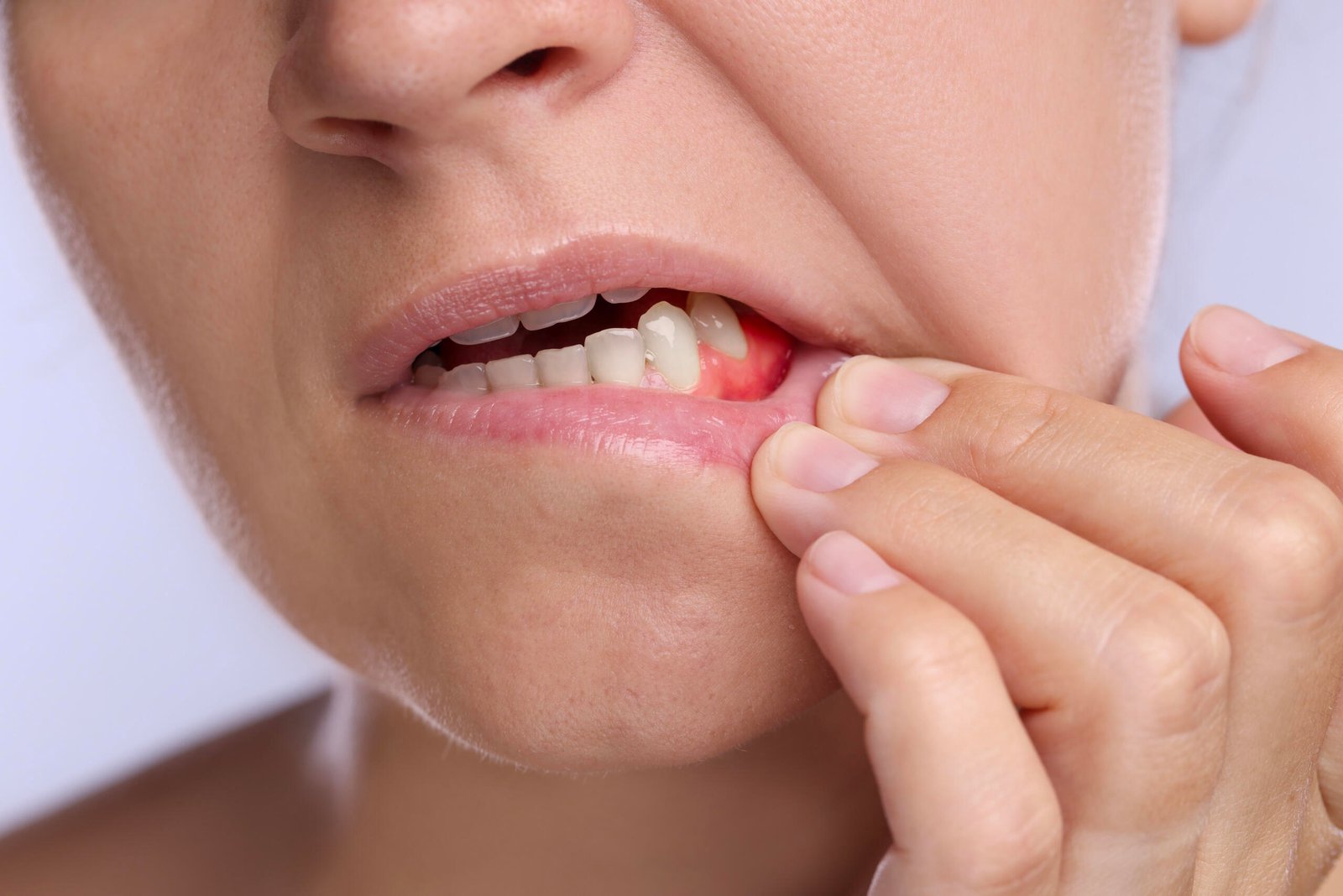
If you’ve noticed your gums bleeding when you brush, feeling swollen, or showing signs of recession, you may have gum disease. At Maison Dentists in Katy, TX, we provide professional gum disease treatment that can reverse early stages and prevent tooth loss from advanced periodontal disease.
Gum disease, also called periodontal disease or gingivitis, affects millions of adults in America. The concerning part? Many people don’t realize they have it until it’s advanced. What starts as simple bleeding gums can progress to bone loss, tooth mobility, and eventually tooth loss if left untreated. The good news is that gum disease treatment in Katy, TX can stop the progression and restore your gum health.
This comprehensive guide explains what gum disease is, warning signs to watch for, why professional gum disease treatment is critical, and what treatment options are available at Maison Dentists. Whether you’re experiencing early-stage gingivitis or advanced periodontitis, we have effective solutions to help you regain a healthy smile.
Understanding gum disease treatment options empowers you to take action before complications develop. Let’s explore everything you need to know about gum disease treatment in Katy, TX.
What Is Gum Disease? Understanding Gingivitis and Periodontitis in Katy
Gum disease is a bacterial infection affecting the tissues that support your teeth. It progresses in stages, and understanding the difference between them is crucial for seeking timely gum disease treatment in Katy, TX.
Gingivitis (Early Stage – Reversible):
- Mild inflammation of the gums
- Gums appear red and swollen
- Bleeding when brushing or flossing
- May have bad breath
- Completely reversible with proper gum disease treatment
- No bone loss has occurred yet
Periodontitis (Advanced Stage – Requires Professional Treatment):
- Gums pull away from teeth creating “pockets”
- Bone supporting teeth begins deteriorating
- Teeth become loose or mobile
- Pus may form in gum pockets
- Can lead to permanent tooth loss
- Requires more aggressive gum disease treatment
Why This Matters for Gum Disease Treatment in Katy, TX:
Early detection is everything. Gingivitis responds well to professional cleaning and home care. Periodontitis requires more intensive gum disease treatment—but early intervention prevents tooth loss. This is why regular dental checkups are essential.
Signs You Need Gum Disease Treatment: Warning Symptoms in Katy, TX
Many people have gum disease but don’t realize it because early stages are often painless. Here are the warning signs indicating you need professional gum disease treatment in Katy, TX:
Clear Signs Requiring Gum Disease Treatment:
✓ Bleeding gums when brushing, flossing, or eating hard foods ✓ Red or swollen gums that look inflamed ✓ Persistent bad breath that doesn’t improve with mouthwash ✓ Receding gums making teeth appear longer ✓ Loose teeth or increased spacing between teeth ✓ Pus between gums and teeth indicating infection ✓ Pain when chewing or touching gums ✓ Tooth sensitivity from exposed roots ✓ Changes in bite or how teeth fit together
Important: Some people have gum disease with NO symptoms. This is why regular dental exams at Maison Dentists in Katy, TX are critical. Professional screening can detect gum disease treatment needs before serious damage occurs.
Causes of Gum Disease: Why You Need Treatment in Katy, TX
Understanding what causes gum disease helps you prevent it and understand why professional gum disease treatment is necessary. Multiple factors contribute to gum disease development:
Primary Causes:
- Poor oral hygiene: Inadequate brushing and flossing allows plaque/tartar buildup
- Plaque accumulation: Sticky bacterial film hardens into tartar below gum line
- Tartar: Cannot be removed by brushing; requires professional gum disease treatment
- Smoking: Severely increases gum disease risk and complicates treatment
Secondary Risk Factors:
- Genetics: Some people inherit susceptibility to gum disease
- Hormonal changes: Pregnancy, menstruation, menopause increase gum disease risk
- Diabetes: Impairs immune response, worsening gum disease
- Stress: Weakens immune system, increasing gum disease susceptibility
- Medications: Some medications reduce saliva, promoting gum disease
- Poor nutrition: Weakens immune response to gum disease bacteria
- Misaligned teeth: Creates difficult-to-clean areas where bacteria accumulate
- Grinding/clenching: Stresses gums and bone supporting teeth
Connection to Overall Health:
Research shows untreated gum disease is linked to heart disease, stroke, pneumonia, and diabetes complications. This is why professional gum disease treatment in Katy, TX isn’t just about your smile—it’s about your overall health.
Professional Gum Disease Treatment Options at Maison Dentists in Katy
Professional gum disease treatment varies based on severity. At Maison Dentists in Katy, TX, we offer multiple evidence-based treatment options:
STAGE 1: Scaling and Root Planing (Deep Cleaning)
This is the most common professional gum disease treatment for moderate disease:
- What it is: Deep cleaning below gum line removing plaque and tartar
- Root planing: Smoothing tooth root surfaces to prevent bacteria reattachment
- Numbing: Local anesthetic makes treatment comfortable
- Time: Usually 1-2 appointments, 1-2 hours each
- Results: Gums typically reattach after 4-6 weeks
- Success rate: 70-80% effective for moderate gum disease treatment
STAGE 2: Antibiotic Therapy
For active infections or resistant bacteria:
- Topical antibiotics: Applied directly to gum pockets
- Oral antibiotics: Prescribed to control bacterial infection systemically
- Localized antimicrobials: Placed in pockets for sustained release
- Duration: Typically 7-10 days for antibiotics
STAGE 3: Advanced Gum Disease Treatment – Surgical Options
For severe periodontitis not responding to conservative gum disease treatment:
- Flap surgery: Gum tissue folded back to access and clean deep pockets
- Bone grafting: Regenerates bone lost to advanced gum disease
- Guided tissue regeneration: Uses membranes to encourage natural healing
- Laser therapy: Some gum disease treatment uses laser to eliminate bacteria
STAGE 4: Periodontal Maintenance
Ongoing professional gum disease treatment to prevent relapse:
- Frequency: Every 3-4 months for life after initial treatment
- Purpose: Remove plaque/tartar accumulation preventing gum disease recurrence
- Cost-effective: Maintenance prevents expensive advanced treatment
What to Expect During Gum Disease Treatment at Maison Dentists
Understanding what happens during gum disease treatment in Katy, TX helps you prepare and reduces anxiety:
BEFORE TREATMENT:
- Comprehensive oral exam and gum assessment
- X-rays to evaluate bone loss
- Pocket depth measurements determine treatment stage
- Discussion of treatment options and expected outcomes
- Numbing medication applied
DURING SCALING AND ROOT PLANING (Most Common Treatment):
- Ultrasonic scaler removes tartar above and below gum line
- Hand instruments carefully clean root surfaces
- Suction removes debris and bacteria
- Typically takes 1-2 hours depending on severity
- Some pressure/vibration sensation but minimal pain
IMMEDIATELY AFTER GUM DISEASE TREATMENT:
- Gums may feel tender for 24-48 hours
- Slight bleeding possible for several days
- Sensitivity to temperature may occur temporarily
- Avoid hard/hot foods for 24 hours
- Continue gentle oral hygiene
RECOVERY FROM GUM DISEASE TREATMENT:
- Days 1-3: Expect mild discomfort manageable with over-the-counter pain reliever
- Days 4-7: Tenderness usually subsides
- Weeks 2-6: Gums reattach and begin healing
- Weeks 6-12: Full results visible as pockets reduce
Home Care After Gum Disease Treatment: Critical for Success in Katy
Professional gum disease treatment is only half the solution. Your home care directly determines whether gum disease treatment succeeds or disease returns.
ESSENTIAL HOME CARE AFTER GUM DISEASE TREATMENT:
✓ Brushing:
- Brush twice daily for 2 minutes
- Use soft-bristled brush (medium/hard damages gums)
- Angle brush at 45-degree angle toward gum line
- Gentle, circular motions (don’t scrub aggressively)
✓ Flossing:
- Floss daily, ideally between every tooth
- Gently slide between teeth
- Curve around tooth base and up into gum area
- Do not snap floss between teeth (damages gums)
✓ Mouthwash:
- Antimicrobial rinse reduces bacteria
- Use as directed, typically twice daily
- Not a replacement for brushing/flossing
✓ Diet:
- Avoid sticky, sugary foods promoting bacterial growth
- Limit acidic foods/drinks eroding enamel
- Increase fruits/vegetables supporting gum health
- Stay hydrated for saliva production
✓ Avoid These After Gum Disease Treatment:
- Smoking (severely impairs healing)
- Alcohol (irritates gums and reduces immunity)
- Aggressive tooth brushing
- Mouthwashes with alcohol (irritating)
Professional Maintenance:
- Periodontal maintenance every 3-4 months
- Regular dental exams every 6 months
- Professional cleanings prevent disease recurrence
Professional Gum Disease Treatment FAQs: Addressing Your Concerns
The best gum disease treatment is prevention. Here’s how to avoid needing professional treatment:
Daily Prevention Habits:
- Brush thoroughly twice daily
- Floss every day (most critical preventive step)
- Rinse with antimicrobial mouthwash
- Avoid smoking and tobacco products
- Limit sugary foods and drinks
- Drink plenty of water
Professional Prevention:
- Dental exams every 6 months
- Professional cleanings annually
- Early detection catches gum disease before serious damage
- Discuss risk factors with your dentist
Lifestyle Factors:
- Manage stress (reduces inflammation)
- Control diabetes and other systemic conditions
- Maintain balanced diet rich in vitamins C and D
- Exercise regularly (improves immune function)
- Don’t grind/clench teeth (use nightguard if needed)
Why Prevention Beats Treatment:
Prevention is infinitely less expensive and easier than treatment. A patient who never develops gum disease avoids the discomfort, cost, and tooth loss associated with periodontal disease. If you have risk factors, ask our doctors about preventive strategies.
Why Choose Maison Dentists for Gum Disease Treatment in Katy, TX
Gum disease treatment requires expertise, advanced technology, and genuine commitment to your oral health. Here’s why patients throughout Katy choose Maison Dentists:
✅ Comprehensive Assessment: Digital imaging and pocket measurements ensure accurate diagnosis
✅ Multiple Treatment Options: From conservative scaling to advanced surgical options
✅ Comfortable Experience: Numbing, gentle technique, and patient education reduce anxiety
✅ Advanced Technology: State-of-the-art equipment for precise gum disease treatment
✅ Preventive Focus: We emphasize preventing gum disease recurrence long-term
✅ Convenient Location: 2115 N Mason Rd, Suite 110, Katy, TX 77449
✅ Flexible Scheduling: Evening and weekend appointments available
✅ Multilingual Team: English, Spanish, and Vietnamese-speaking staff
✅ Aftercare Support: Ongoing maintenance and professional guidance included
American Academy of Periodontology
American Dental Association
Frequently Asked Questions About Gum Disease Treatment in Katy, TX
Professional gum disease treatment is NOT painful when done properly. Here’s why:
- Local numbing: We apply numbing medication before treatment, so you feel no pain
- Gentle technique: Our dentists use careful, precise movements
- Ultrasonic vs. hand instruments: Both are specifically designed to minimize discomfort
- Your feedback: We stop immediately if you experience discomfort
What you might feel during gum disease treatment: pressure, vibration, water spray, suction—but no pain. Some patients report it feels similar to regular cleaning but takes longer.
Post-treatment: Mild tenderness 24-48 hours is normal and manageable with over-the-counter pain reliever. This is far less uncomfortable than the ongoing discomfort of untreated gum disease.
Scaling and root planing (most common gum disease treatment) takes:
- Initial appointment: 2 hours for examination and typically first half of mouth
- Second appointment: 1.5-2 hours for remaining treatment
- Maintenance visits: 30-45 minutes every 3-4 months afterward
Work/activity considerations:
- You can return to normal activities immediately after gum disease treatment
- Avoid strenuous exercise for 24 hours
- Can eat soft foods while gums heal (avoid hard/sticky foods)
- Most people take no time off work
Timeline for results:
- Immediate: Reduction in plaque/tartar
- Days 3-7: Pain/tenderness subsides
- Weeks 2-6: Gums begin reattaching
- Weeks 6-12: Full benefits visible
It depends on the severity. Here’s what gum disease treatment can and cannot do:
What gum disease treatment CAN do:
- Stop further bone loss progression (most important benefit)
- Allow some bone regeneration in early/moderate cases
- Halt gum recession
- Prevent tooth loss
What gum disease treatment CANNOT do:
- Fully restore bone already lost in advanced cases
- Reverse severe bone deterioration
Advanced options for significant bone loss:
- Bone grafting: Surgical procedure regenerating lost bone
- Guided tissue regeneration: Membranes encourage natural regrowth
- Growth factors: Biological agents stimulate regeneration
- Implants: Replace severely compromised teeth
Key point: Early gum disease treatment prevents the bone loss that makes advanced treatment necessary. This is why prompt treatment is critical.
Gum disease can return if you don’t maintain excellent home care and professional maintenance. Here’s how to prevent recurrence:
Yes, it can return without:
- Daily flossing (most critical factor)
- Consistent brushing
- Professional maintenance appointments
- Smoking cessation
- Stress management
Prevention strategy after gum disease treatment:
- Floss daily (non-negotiable)
- Brush twice daily with soft brush
- Periodontal maintenance every 3-4 months
- Regular dental exams (catch problems early)
- Control risk factors (smoking, stress, diabetes)
Success rates:
- With perfect home care and maintenance: 90%+ success preventing recurrence
- Without maintenance: 60% recurrence rate within 5 years
The responsibility for preventing gum disease recurrence is SHARED between you and your dentist. Professional treatment starts the process, but your daily habits determine the outcome.
Unfortunately, no—not once gum disease has developed. Here’s why:
What home care can do:
- Prevent gum disease from developing (prevention is possible)
- Manage gingivitis if caught very early
- Prevent gum disease recurrence after professional treatment
What home care CANNOT do:
- Remove tartar below the gum line (hardened buildup)
- Access deep pockets where bacteria hide
- Stop ongoing bone loss
- Eliminate infection below gum line
The harsh reality: Once bacteria and tartar settle below your gum line, only professional gum disease treatment can remove them. Home care maintains the results but cannot reverse active disease.
This is why prevention is critical: Starting excellent oral hygiene TODAY prevents needing professional gum disease treatment LATER.
Maintenance frequency depends on your gum disease severity and risk factors:
Typical maintenance schedule:
- Every 3 months: Most common after active gum disease treatment
- Every 4 months: For less severe cases responding well
- Every 6 months: Only if disease was very mild and fully resolved
- Monthly: For severe periodontitis or high-risk patients
Why more frequent than regular cleanings:
- Regular cleanings every 6 months work for healthy gums
- Gum disease patients need more frequent professional intervention
- Bacteria accumulate faster in treated gum pockets
- Frequent maintenance prevents disease recurrence
Questions for your dentist:
- What’s YOUR specific maintenance schedule based on your disease severity?
- Can you move to less frequent maintenance if healing goes well?
- What signs indicate you need more frequent visits?
Cost consideration: Yes, more frequent visits cost more upfront. BUT preventing gum disease recurrence is far less expensive than retreating advanced periodontitis or replacing lost teeth.